
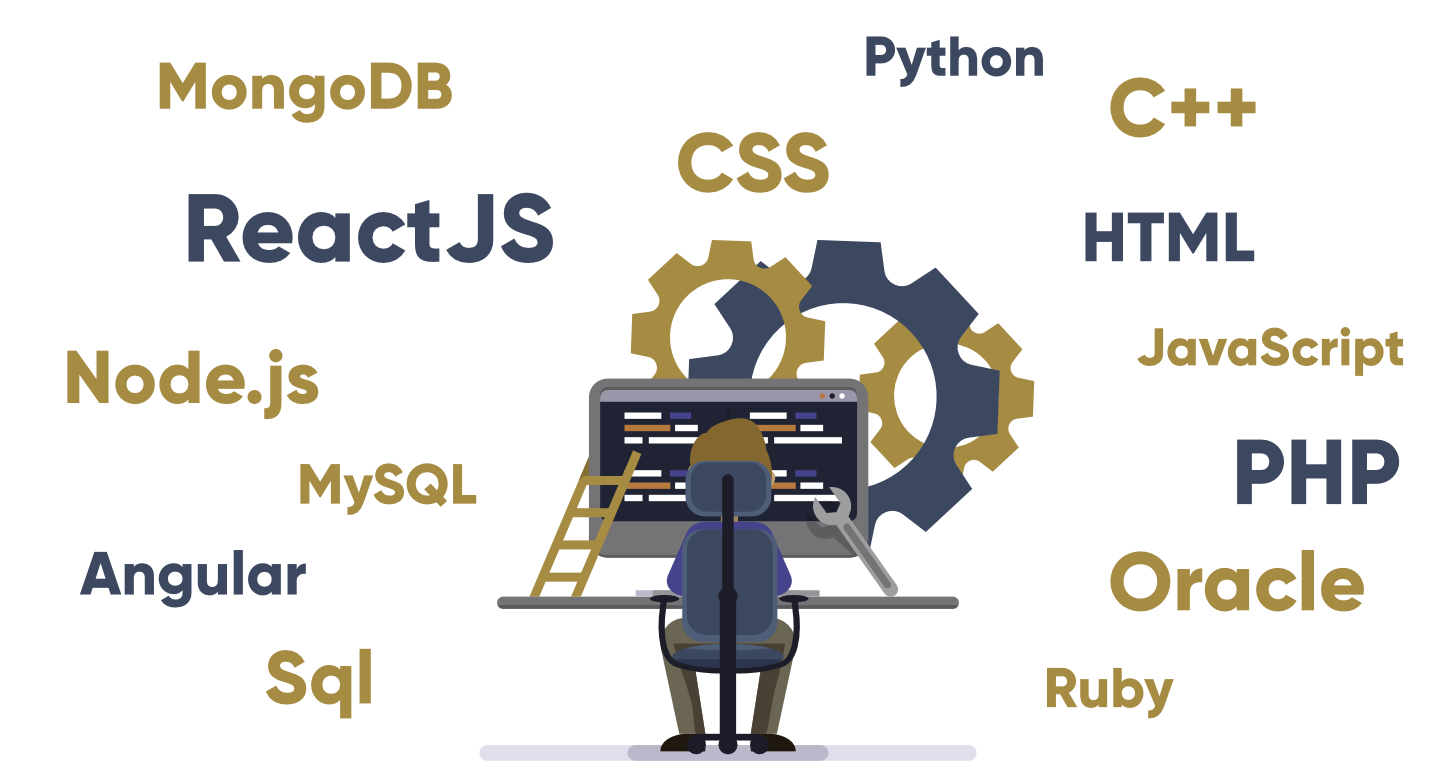
Full stack development has become one of the most in-demand and versatile skill sets in the tech industry today. It refers to the ability to work on both the front-end and back-end of web applications, meaning full stack developers can design user interfaces, build server-side logic, manage databases, and deploy complete web solutions. The “stack” typically includes technologies like HTML, CSS, and JavaScript on the front-end, while the back-end might use languages such as Python, Java, PHP, or Node.js, along with databases like MySQL, MongoDB, or PostgreSQL.
The primary advantage of full stack development is that it allows for seamless communication between different layers of a web application. A full stack developer can independently develop features from start to finish, which improves productivity, especially in startups or small teams. They also bring flexibility and a holistic understanding of how the entire system functions, enabling them to troubleshoot more effectively and make better architectural decisions.
Modern full stack development often involves frameworks and libraries that speed up the development process. For the front-end, popular tools include React, Angular, or Vue.js, which allow for creating dynamic and responsive interfaces. On the back-end, developers might work with Express.js, Django, or Spring Boot, depending on their language of choice. Furthermore, full stack developers are expected to be familiar with RESTful APIs, version control systems like Git, and basic DevOps practices, such as containerization using Docker and continuous integration/deployment pipelines.
Becoming a proficient full stack developer requires dedication and a passion for continuous learning. As technology evolves, new tools and best practices emerge, making it essential to stay updated. Whether you’re building your own projects or contributing to enterprise-level applications, mastering full stack development opens doors to a wide range of career opportunities. It equips developers not only with the technical know-how but also with the problem-solving mindset needed in today’s fast-paced development environments.
In summary, full stack development combines creativity with logic, giving developers the power to build robust, scalable, and interactive web applications from the ground up. It’s a challenging but rewarding career path that bridges the gap between the visual user experience and the underlying system architecture—making full stack developers a vital asset to any tech-driven organization.