

In today’s digital-first world, the lines between online and offline shopping experiences have blurred. Consumers don’t just want convenience—they expect seamless, personalized interactions across every channel. That’s where omnichannel marketing comes into play.
What Is Omnichannel Marketing?
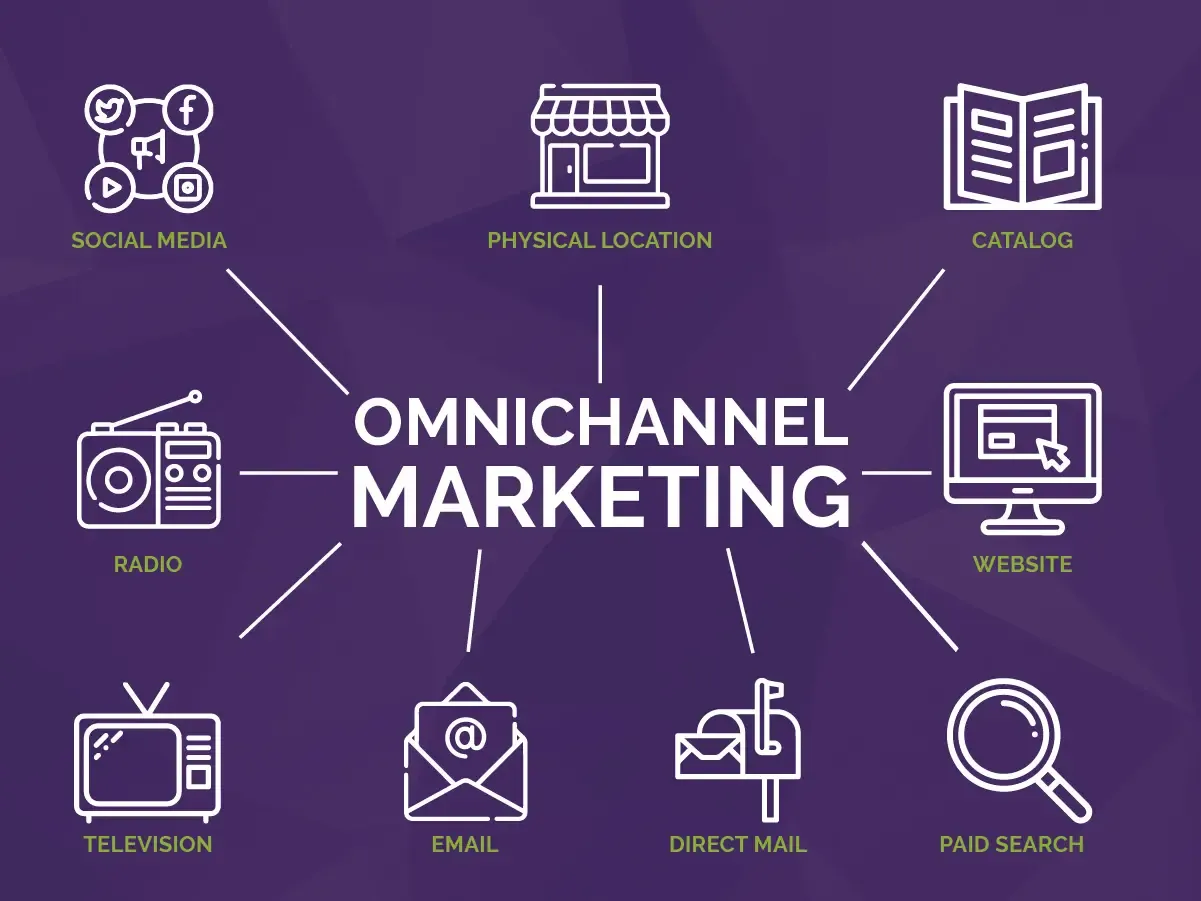
Omnichannel marketing is a strategy that delivers a unified and consistent brand experience across all customer touchpoints—whether it’s your website, mobile app, social media, email campaigns, or physical store.
Unlike multichannel marketing, which focuses on distributing content across several platforms independently, omnichannel integrates them, creating a synchronized journey as customers switch from one channel to another.
Why Omnichannel Marketing Matters
1. Customers Expect It
According to recent studies, over 70% of consumers use multiple channels during their shopping journey. A customer might discover your product on Instagram, read reviews on your website, and make a purchase in-store or through a mobile app. Omnichannel ensures that each step of that journey is connected and consistent.
2. Better Customer Retention
Brands with strong omnichannel strategies retain an average of 89% of their customers, compared to 33% for brands with weak omnichannel engagement. When customers feel seen and valued across platforms, they’re more likely to stay loyal.
3. Data-Driven Personalization
Omnichannel marketing allows you to collect data from various touchpoints and use it to create more personalized and relevant experiences. This leads to increased engagement, higher conversion rates, and better ROI.
Key Elements of an Effective Omnichannel Strategy
1. Unified Customer Profiles
Use a CRM or customer data platform (CDP) to build comprehensive profiles. This allows you to track behavior, preferences, and interactions across channels in real time.
2. Consistent Brand Messaging
Ensure your tone, visuals, and offers remain consistent on all platforms, from Instagram stories to in-store signage.
3. Seamless Cross-Channel Experience
Whether a customer switches from mobile to desktop, or visits your store after browsing online, their experience should feel continuous—not disconnected.
4. Channel-Specific Optimization
Each platform has its nuances. Optimize for the context of each channel while still maintaining overall brand cohesion.
5. Real-Time Data Integration
Use automation and AI to adjust your messaging and offers in real-time based on customer behavior and engagement patterns.
Real-World Example: Starbucks
Starbucks is a prime example of omnichannel marketing done right. Customers can order via the mobile app, pay using the Starbucks card, and earn loyalty rewards—all while receiving personalized offers and notifications. Every interaction feels tailored and frictionless, no matter the channel.
How to Get Started with Omnichannel Marketing
- Audit Your Current Channels: Identify gaps in consistency, messaging, or user experience.
- Invest in the Right Tech: CRM, marketing automation tools, and analytics platforms are essential.
- Train Your Teams: Ensure marketing, sales, and customer service are aligned and share insights.
- Start Small, Scale Smart: Pilot your strategy with a few key channels, gather feedback, and expand gradually.
- Measure What Matters: Track key metrics like customer lifetime value, engagement rates, and channel effectiveness.
Final Thoughts
Omnichannel marketing isn’t just a buzzword—it’s a necessity for brands looking to thrive in 2025 and beyond. By placing the customer at the center of your strategy and building connected, consistent experiences, you can drive engagement, foster loyalty, and outperform competitors.
Whether you’re a growing e-commerce business or a well-established brand, the time to embrace omnichannel is now.